
Discover how personalized social media ads in 2025 connect better with audiences, improve engagement, and drive higher conversions through tailored content and user insights.
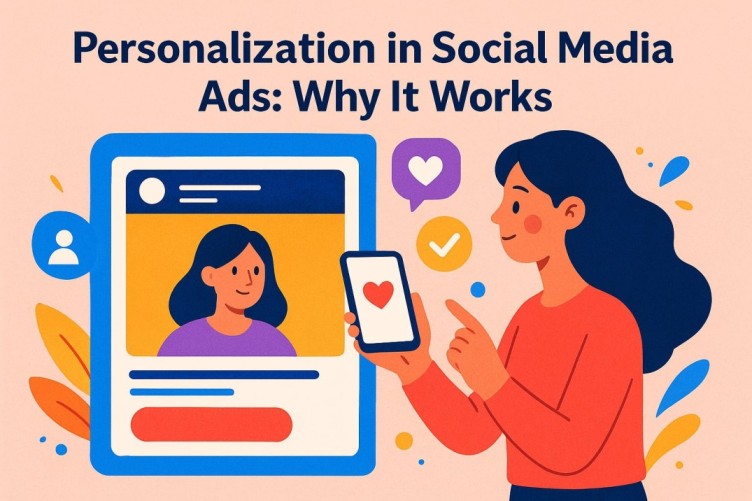
Have you ever noticed how social media seems to read your mind?
You talk about vacation plans, and suddenly—your feed is full of flight deals and hotel offers!
That’s not magic… it’s personalization — and it’s reshaping how brands connect with people in 2025.
Personalization in social media ads means showing the right ad to the right person at the right time.
Thanks to tools like Google Analytics, brands can now understand what people love, search for, and buy — and use that data to create scroll-stopping ads that actually work.
Let’s dive deep into why personalization is powerful, how Google Analytics fuels it, and what makes it essential for success in 2025.
What Exactly Is Personalization in Social Media Ads?
In simple words, personalization means making ads that feel tailor-made for each user.
Instead of showing one generic ad to millions, brands use data to understand:
- What people like
- What they search for
- Where they live
- How they behave online
So, when you see a social media ad that feels just right, it’s because marketers are using Google Analytics and other tracking tools to study your online activity and preferences.
Example:
Imagine you love coffee and often search for “best coffee beans.”
Next thing you know, Instagram shows you ads for organic coffee brands.
That’s personalization in action!
The Role of Google Analytics in Personalization
To make social media ads personalized, brands need data.
That’s where Google Analytics comes in — it’s like a digital microscope that helps marketers see exactly what their audience wants.
Here’s how Google Analytics helps:
- Tracks behavior: See which products, posts, or pages people visit.
- Finds patterns: Understand which type of content gets the most clicks.
- Builds audiences: Group people with similar interests or actions.
- Measures results: Check which personalized ads perform best.
For example, if your Google Analytics report shows that most visitors to your site are young adults interested in fitness, your next Instagram ad can promote protein shakes or gym wear — not random stuff.
Google Analytics + Social Media = Perfect Match
When you link your social media platforms (like Facebook, Instagram, or YouTube) with Google Analytics:
- You see which ad campaigns bring the most traffic.
- You understand who interacts with your brand the most.
- You can adjust your ad strategy for better clicks and conversions.
Why Personalization Works So Well in 2025
The internet is noisier than ever.
Every day, people scroll through hundreds of ads.
But only a few catch attention — the ones that feel relevant.
Here’s why personalization stands out:
1. It Builds Emotional Connection
When an ad speaks directly to your needs or dreams, it feels personal.
You’re more likely to stop, smile, and maybe click “Shop Now.”
2. It Reduces Ad Fatigue
People get tired of seeing irrelevant ads.
Personalization keeps things fresh and interesting because it changes based on what users do.
3. It Increases Clicks and Sales
Studies show that personalized ads get 2-3 times more engagement than generic ones.
That means more traffic, more sales, and better ROI for brands.
4. It Makes Brands Memorable
When customers feel like a brand “gets” them, they remember it — and are more likely to come back.
5. It’s the Future of Marketing
With AI and Google Analytics getting smarter in 2025, ads are becoming hyper-personalized — showing products users haven’t even searched for yet but are likely to love.
How Google Analytics Powers Smart Ad Targeting
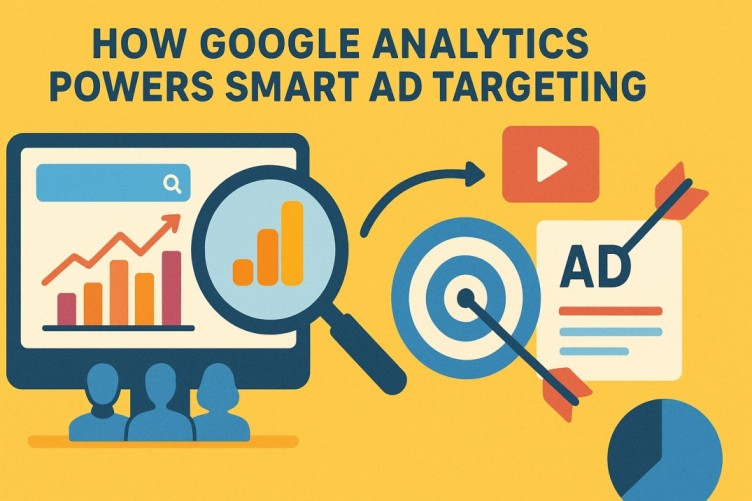
Let’s understand this step-by-step
Step 1: Collect Data
Google Analytics tracks every visitor on your website:
- Which pages they visit
- How long they stay
- What products they click
- What device they use
Step 2: Analyze Behavior
Once you have the data, Analytics shows patterns.
For example:
- 70% of your visitors are women aged 20–30.
- They love skincare and spend time on your “Best Serums” page.
Step 3: Segment Audiences
You can then create audience groups like:
- “Skincare Lovers”
- “Returning Customers”
- “Cart Abandoners”
Step 4: Run Personalized Ads
You can target these groups with custom ads:
- Show “20% off serums” to Skincare Lovers
- Show “You left this in your cart” to Cart Abandoners
Step 5: Track and Optimize
Google Analytics tells you which ad got the best results, so you can improve future campaigns.
That’s how personalization turns data into profit.
Top Benefits of Using Google Analytics for Personalized Ads
- Better Targeting: Know exactly who to reach and when.
- Higher Conversions: More clicks = more customers.
- Less Wasted Budget: Stop showing ads to people who don’t care.
- Improved Customer Experience: Show ads that make people smile, not sigh.
- Real-Time Insights: See what’s working instantly.
In short, Google Analytics helps you spend smarter and sell faster.
Personalization Examples You See Every Day
Here are some everyday examples of personalization you may not even notice:
- Netflix: Recommends shows based on what you watched.
- Amazon: Suggests items based on your browsing.
- Instagram Ads: Show you the exact brand you were googling yesterday.
- Spotify: Creates “Made for You” playlists based on your music mood.
All these are powered by data tracking — just like Google Analytics does for social media ads.
The Rise of Hyper-Personalization in 2025
2025 isn’t just about personalization — it’s about hyper-personalization.
With advanced tools like AI + Google Analytics 4 (GA4), marketers now track:
- Real-time user journeys
- Cross-device behavior (from mobile to laptop)
- Voice searches
- Predictive analytics (what people might want next)
That means your ads can now be:
- More accurate
- More timely
- More human-like
Imagine opening your Instagram, and seeing an ad that says:
“Hey Himani, we noticed you loved our last post — here’s a special offer just for you!”
That’s not creepy. That’s clever personalization.
And in 2025, it’s the standard.
Common Mistakes Marketers Make With Personalization
Even with great tools like Google Analytics, some brands still mess up. Here’s what to avoid:
- Using Too Much Data – Over-targeting can feel creepy.
- Ignoring Privacy Rules – Always respect user consent and GDPR policies.
- Same Ad for Everyone – That defeats the purpose of personalization.
- No Testing – You must test what actually works for your audience.
- Forgetting the Human Touch – Ads should still feel personal, not robotic.
Why Customers Love Personalized Ads
Let’s be honest — people don’t hate ads, they just hate boring ones.
When an ad feels made just for them, it:
- Saves time
- Feels friendly
- Helps them discover cool stuff
That’s why personalized ads are not just good for brands — they’re great for users too.
How to Create Personalized Ad Campaigns That Actually Work
Now that you know why personalization is powerful and how Google Analytics fuels it, let’s learn how to do it right.
Creating a personalized social media ad campaign is not rocket science — but it does take planning, creativity, and smart data use.
Let’s go step by step
Step 1: Understand Your Audience Deeply
Before running any ad, you need to know who you’re talking to.
You can’t personalize your ads if you don’t understand your audience’s:
- Age and gender
- Location
- Interests and hobbies
- Online behavior (what they click, share, or buy)
Here’s where Google Analytics shines again
With Google Analytics, you can:
- See which age group visits your website most.
- Know what devices they use (mobile, tablet, or desktop).
- Track where they come from (Instagram, Facebook, etc.).
- Discover which pages they love most.
Example:
If most of your website visitors are women aged 25–35 who love beauty content, your ads should focus on skincare or self-care themes — not tech gadgets!
Pro tip: Create audience “personas” — imaginary profiles like “Fitness Frenzy Riya” or “Skincare Queen Priya” to help visualize your ideal customer.
Step 2: Segment Your Audience Smartly
Personalization becomes powerful when you divide your audience into segments.
Instead of showing the same ad to everyone, group users based on behavior or interests.
Example Segments You Can Create Using Google Analytics:
- First-time visitors – Show them “Welcome” ads introducing your brand.
- Returning visitors – Offer them discounts or special bundles.
- Cart abandoners – Remind them what they left behind.
- Loyal customers – Reward them with early access or thank-you offers.
Each segment gets its own message, its own tone, and its own goal.
That’s how personalization wins hearts
Step 3: Write Ad Copy That Feels Human
Once you know who you’re targeting, you need to decide what to say.
Your ad copy should sound like it’s written just for them.
Tips for Writing Personalized Copy:
- Use “you” and “your” — make it conversational.
- Mention their goals — e.g., “Want glowing skin?”
- Keep it short and emotional.
- Add emojis or power words to make it lively.
Example:
Instead of saying:
“Buy our skincare cream online.”
Say:
“Hey Priya, ready to get that natural glow? Your perfect cream is waiting!”
That’s the difference between scrolling past and stopping to click.
Step 4: Design Creatives That Speak to Each Group
A picture is worth a thousand clicks
Your ad design should match your audience’s vibe.
For instance:
- If you’re targeting college students, use bold colors and trendy fonts.
- If your audience is professionals, go for clean and elegant visuals.
Google Analytics can help track which images or videos perform best.
If video ads get more clicks than static images, that’s your cue to double down on video content.
Pro Tip: A/B test two ad designs to see which one your audience loves more.
Step 5: Choose the Right Social Media Platform
Not every platform fits every audience.
That’s why smart marketers use Google Analytics traffic reports to see where users come from.
For example:
- If most visitors come from Instagram, focus your ad spend there.
- If LinkedIn brings the highest conversions, make it your top priority.
- If YouTube videos drive more engagement, go all in on video ads.
When you combine platform data with personalization, your ROI (Return on Investment) skyrockets
Step 6: Retargeting with Google Analytics
Ever seen an ad for something you checked out days ago?
That’s retargeting, and it’s one of the smartest personalization strategies out there.
With Google Analytics and tools like Google Ads, you can:
- Target users who visited your site but didn’t buy.
- Remind them with catchy messages like “Still thinking about it?”
- Offer them limited-time discounts to push conversions.
It’s subtle, smart, and super effective.
In 2025, retargeting is becoming even more powerful with AI predicting who is most likely to purchase next.
Step 7: Track, Measure, and Optimize
Once your ad campaign is live, the job isn’t done.
The magic of Google Analytics lies in its ability to track performance in real time.
You can measure:
- Click-through rate (CTR) – Are people clicking your ad?
- Conversion rate – Are they buying or signing up?
- Engagement rate – Are they watching, sharing, or saving?
Pro Tip:
Keep testing different versions of your ad — different text, visuals, or targeting — and let Google Analytics tell you what’s working best.
That’s how top brands keep improving month after month.
Real-Life Examples of Personalized Social Media Ads
Here are some brands crushing it with personalization in 2025 👇
1. Nike
Nike uses Google Analytics data to personalize ads based on browsing history and fitness goals.
If you searched for “running shoes,” your feed will soon show Nike’s latest running collection — sometimes with your city’s weather integrated into the ad!
2. Domino’s
Domino’s tracks customer preferences using Google Analytics and shows custom ads like:
“Your favorite pizza is back — grab it hot!”
This simple touch creates instant emotional connection (and cravings!).
3. Sephora
Sephora uses audience data to show personalized beauty product ads.
Their social media ads often include lines like:
“Hey beauty, your shade is waiting!”
This level of personalization feels friendly and fun — not salesy.
4. Spotify
Spotify’s “Wrapped” campaign is personalization at its peak.
It turns user data into fun, shareable stories — and it all starts with analytics!
Marketers can take inspiration from this to create data-driven yet emotional ads.
The Future of Personalization: What’s Next in 2025 and Beyond
Personalization is no longer an option — it’s a must.
And with Google Analytics 4 (GA4) evolving, the future looks more exciting than ever.
1. Predictive Personalization
AI will predict what customers want before they even know it.
Google Analytics will analyze patterns and suggest ad recommendations automatically.
2. Privacy-Friendly Personalization
With growing privacy rules, marketers will use cookie-less tracking and first-party data to stay compliant while still being effective.
3. AI-Powered Creativity
AI tools will help design ad copies and visuals instantly — based on analytics insights.
It’s personalization made faster and smarter.
4. Cross-Platform Personalization
Ads will follow users smoothly across devices — phone, tablet, or laptop — without feeling intrusive.
5. Emotion-Based Targeting
AI will soon read emotional cues like tone or emoji usage and adjust ad tone accordingly.
Imagine ads that know when you’re happy, tired, or inspired — and match your mood!
Why Google Analytics Should Be Every Marketer’s Best Friend
In 2025, Google Analytics is not just a tracking tool — it’s your campaign’s secret weapon.
It helps you:
- Understand your audience
- Create better-targeted ads
- Measure success with precision
- Improve ROI without guesswork
Think of it like this:
Without Google Analytics, you’re driving blindfolded.
With it, you’re racing ahead with a GPS.
Quick Action Checklist for Marketers
Here’s your step-by-step cheat sheet to personalize your next social media ad campaign:
- Connect your social media accounts with Google Analytics
- Study your audience demographics and behavior
- Create audience segments
- Write human-like, emotional ad copy
- Design platform-specific visuals
- Run A/B tests for optimization
- Use retargeting for better conversions
- Track and improve with Analytics insights
Keep this checklist handy — it’s your road map to social media success in 2025.
Conclusion: Make Ads That Feel Human
At the end of the day, personalization isn’t just about data — it’s about connection.
People don’t want to feel like targets; they want to feel understood.
And with the help of Google Analytics, you can create ads that truly speak to hearts and minds.
So in 2025, if you want your social media ads to win —
Don’t shout louder.
Speak smarter.
Make every ad feel like it’s made for one person at a time.
That’s not just good marketing — that’s magic.
Pingback: Best Times to Run Social Media Ads for Maximum Engagement in 2025 - auraclix